Unleashing the Potential of Cultured Basalt A Comprehensive Guide to Understanding and Utilizing this Sustainable Material
Introduction In recent years, there has been a growing interest in sustainable construction materials that offer both environmental benefits and superior performance. One such material that has been gaining attention is cultured basalt. Cultured basalt is a man-made material that mimics the properties of natural basalt, a volcanic rock known for its durability and strength. This article aims to provide a comprehensive guide to understanding and utilizing cultured basalt, exploring its properties, applications, benefits, and potential impact on the construction industry. Properties of Cultured Basalt Cultured basalt is produced by melting basalt rock at high temperatures and then extruding it into fibers or other forms. The resulting material retains many of the desirable properties of natural basalt, including: 1. High Strength: Cultured basalt is known for its exceptional strength, making it a suitable material for a wide range of applications, from structural elements to reinforcement in concrete. 2. Durability: Like natural basalt, cultured basalt is highly resistant to wear, corrosion, and weathering, making it an ideal choice for outdoor and high-traffic applications. 3. Thermal Stability: Cultured basalt exhibits excellent thermal stability, making it suitable for use in high-temperature environments such as furnaces and fire-resistant structures. 4. Chemical Resistance: Cultured basalt is resistant to most chemicals, making it a suitable material for use in harsh industrial environments. Applications of Cultured Basalt The unique properties of cultured basalt make it a versatile material with a wide range of applications across various industries. Some common applications of cultured basalt include: 1. Reinforcement in Concrete: Cultured basalt fibers can be used to reinforce concrete structures, improving their strength and durability. This application is particularly useful in earthquake-prone regions where the enhanced structural integrity is essential. 2. Thermal Insulation: Cultured basalt products, such as boards and fibers, are used for thermal insulation in buildings, industrial equipment, and transportation vehicles. The material's high thermal stability makes it an excellent choice for insulating applications. 3. Erosion Control: Cultured basalt can be used in erosion control applications, such as lining waterways and stabilizing slopes. Its durability and resistance to weathering make it an effective solution for preventing soil erosion. 4. High-Performance Composites: Cultured basalt fibers are used as reinforcement in composite materials to enhance their mechanical properties. These composites find applications in aerospace, automotive, and marine industries where lightweight and high-strength materials are required. Benefits of Cultured Basalt The adoption of cultured basalt offers several benefits, both from an environmental and performance perspective. Some key benefits of using cultured basalt include: 1. Sustainability: Cultured basalt is an eco-friendly material as it is produced from natural basalt rock, which is abundant and widely available. The manufacturing process of cultured basalt also consumes less energy compared to traditional construction materials like steel or concrete. 2. Reduced Carbon Footprint: Cultured basalt production emits lower greenhouse gases compared to other materials, making it a more sustainable choice for environmentally conscious projects. 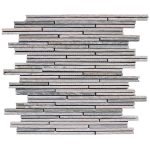 3. Longevity: Cultured basalt products have a long service life due to their high durability and resistance to degradation, reducing the need for frequent maintenance and replacement. 4. Fire Resistance: Cultured basalt exhibits excellent fire resistance properties, making it a safe choice for applications where fire protection is a priority. 5. Recyclability: Cultured basalt products are recyclable at the end of their service life, contributing to a circular economy and reducing waste generation. Impact on the Construction Industry The adoption of cultured basalt in the construction industry has the potential to bring about significant changes in the way buildings and infrastructure are designed and constructed. Some of the key impacts of incorporating cultured basalt in construction projects include: 1. Improved https://www.fs-slate.com/roofing-slate/ : Cultured basalt's high strength and durability can enhance the structural performance of buildings, bridges, and other infrastructure, leading to safer and more resilient structures. 2. Cost Savings: While the initial cost of using cultured basalt may be higher than traditional materials, the long-term savings from reduced maintenance and replacement costs can make it a cost-effective choice for construction projects. 3. Environmental Benefits: By choosing cultured basalt over conventional construction materials, builders can reduce the environmental impact of their projects, contributing to sustainability goals and lowering carbon emissions. 4. Innovation in Design: The unique properties of cultured basalt open up new possibilities for innovative design solutions in architecture and engineering, enabling the creation of structures that are both aesthetically pleasing and functional. Challenges and Future Outlook Despite its numerous benefits, the widespread adoption of cultured basalt faces some challenges that need to be addressed. These challenges include the high initial cost of production, limited availability of specialized equipment for processing cultured basalt, and the need for standardized testing and certification protocols to ensure quality and performance consistency. However, with ongoing research and development efforts, these challenges can be overcome, paving the way for a brighter future for cultured basalt in the construction industry. As awareness of the material's benefits grows and technology advances, we can expect to see increased use of cultured basalt in a wide range of applications, leading to a more sustainable and resilient built environment. Conclusion Cultured basalt is a promising material that offers a sustainable alternative to traditional construction materials, with its exceptional strength, durability, and environmental benefits. By understanding its properties, applications, and potential impact on the construction industry, stakeholders can make informed decisions about incorporating cultured basalt into their projects. With ongoing research and innovation, cultured basalt has the potential to revolutionize the way we build and create a more sustainable future for generations to come.